Featured
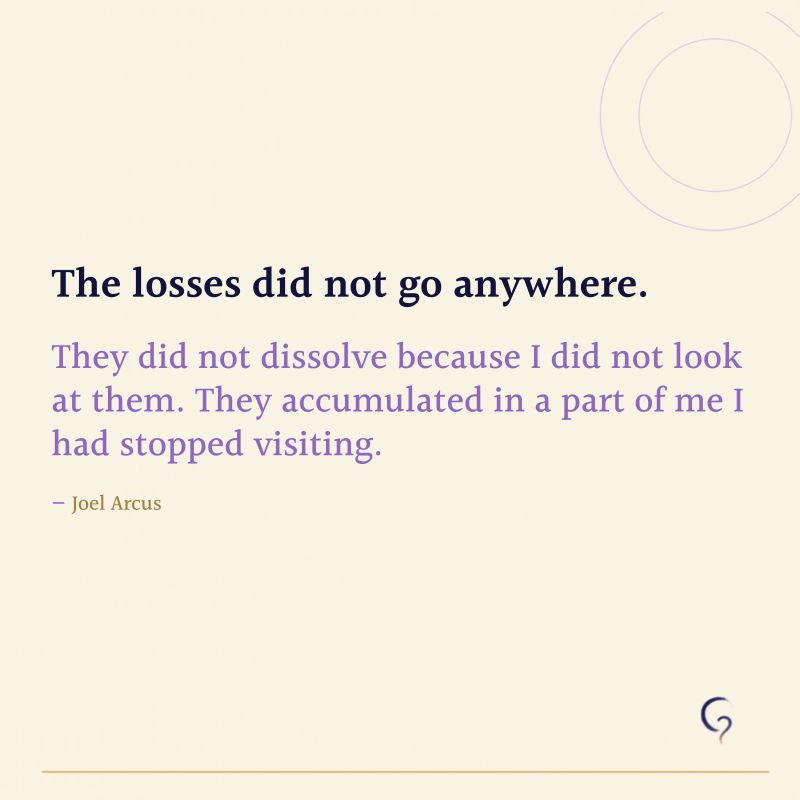
What if grief is a question, not a problem to be solved?
Approaching grief as a question is a seemingly odd idea. But I learned first hand, later than I would have liked to, how much this is necessary.
Read →Short essays from inside the practice. Some are case-shaped. Some are unfinished. All are written when a question would not leave me alone.
Approaching grief as a question is a seemingly odd idea. But I learned first hand, later than I would have liked to, how much this is necessary.
Read →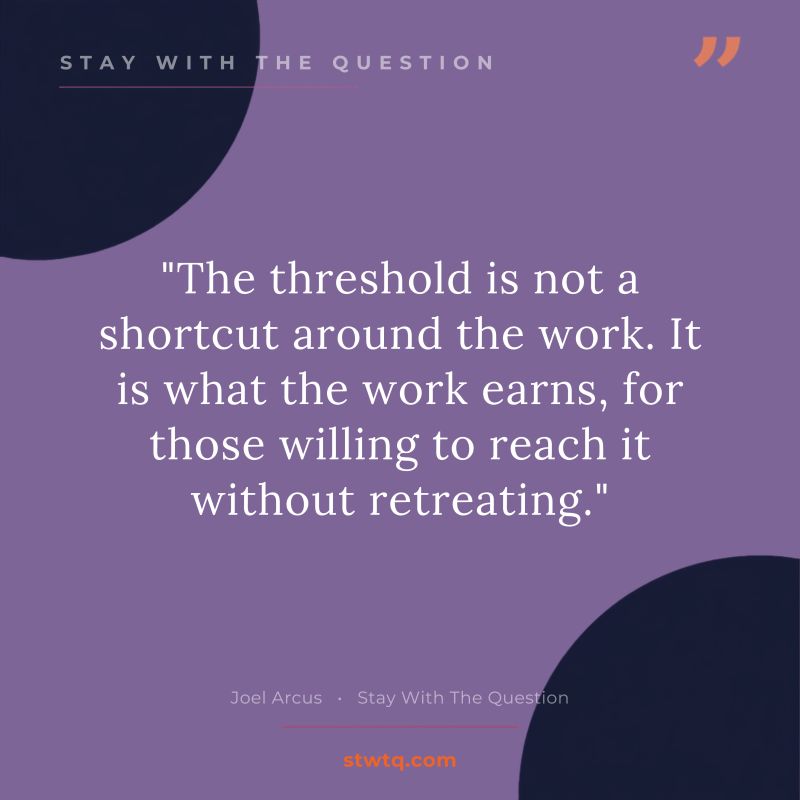
If the answer will not land, you are probably answering the wrong question. The unsettled feeling is not evidence that you chose badly, and it is not a failure of commitment.
Read →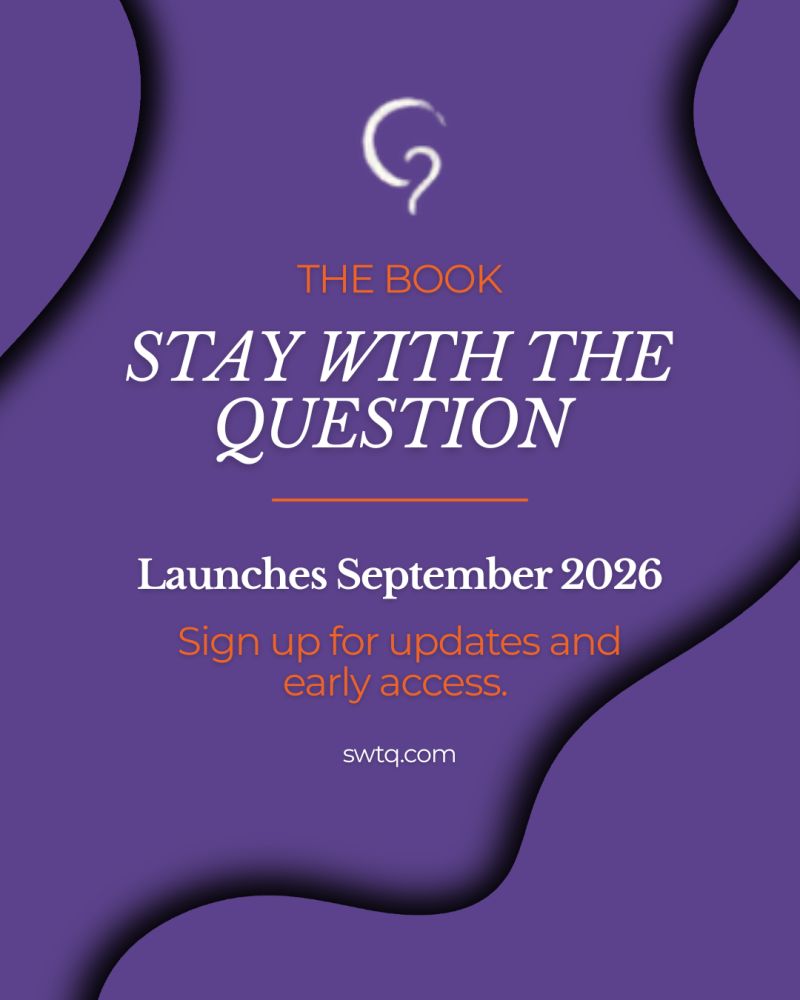
The book - Stay With The Question - launched 17 September 2026.
Read →When a question comes back after you have answered it, the answer was not wrong. It was for a version of the question that has since moved.
Read →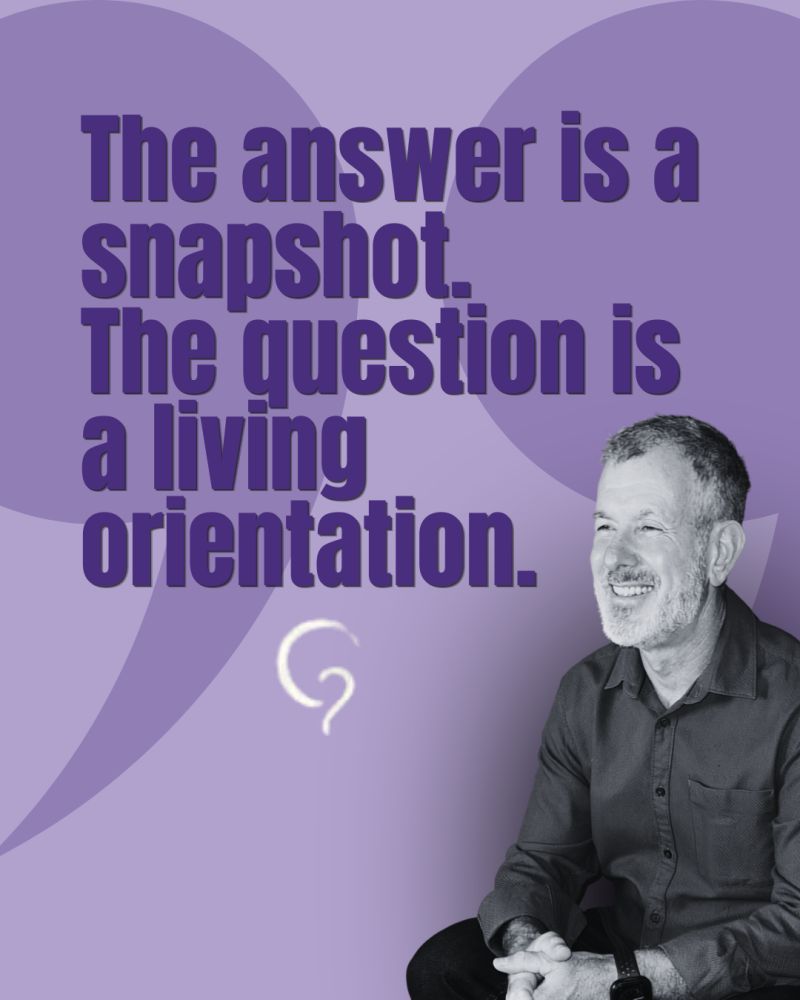
It hadn't failed. It was never built to last. An answer addresses one configuration of a problem, at one moment, under one set of circumstances. It's accurate for exactly as long as nothing changes. And things always change.
Read →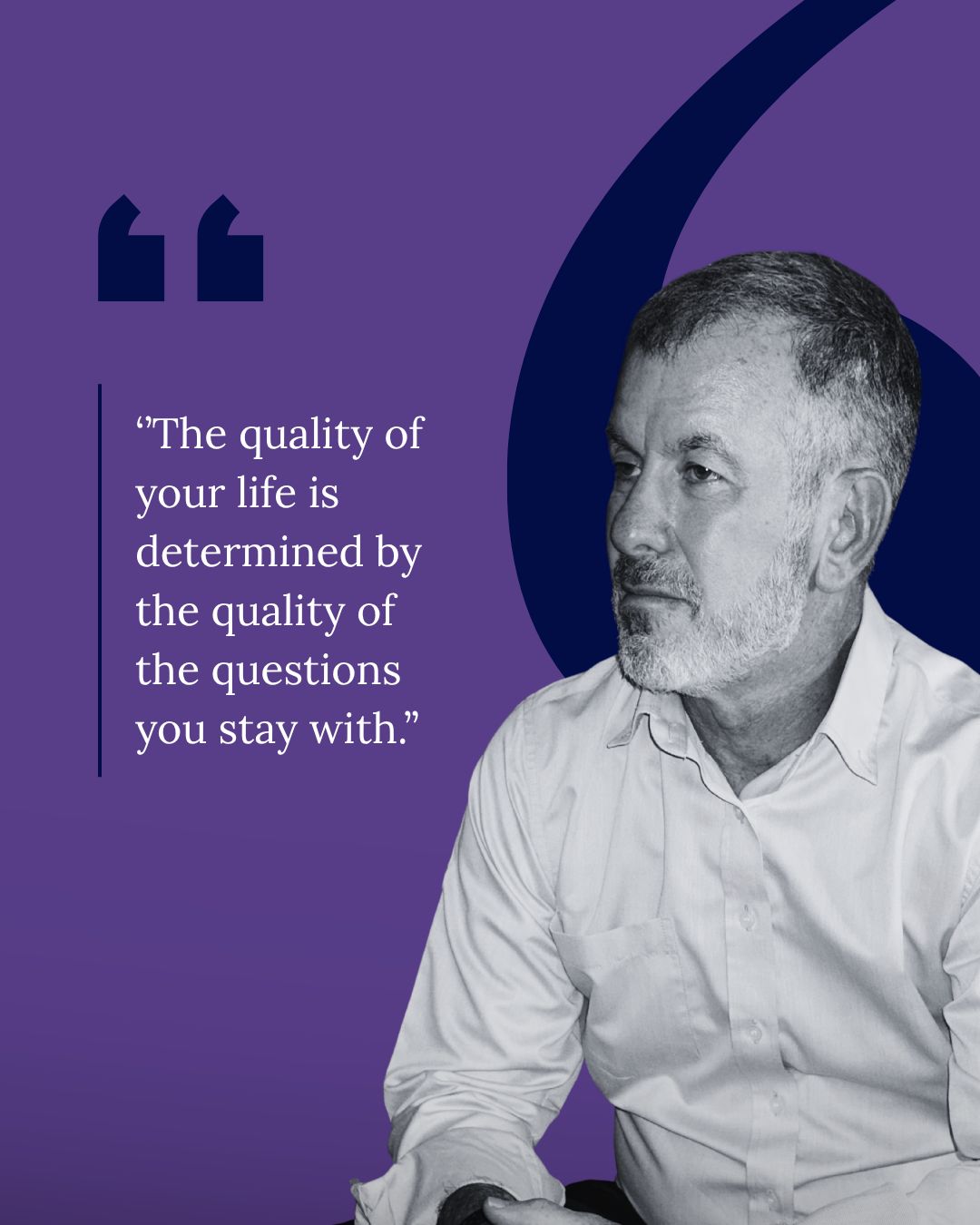
There is a difference between relief and resolution, and most of us reach for the first while quietly telling ourselves it is the second.
Read →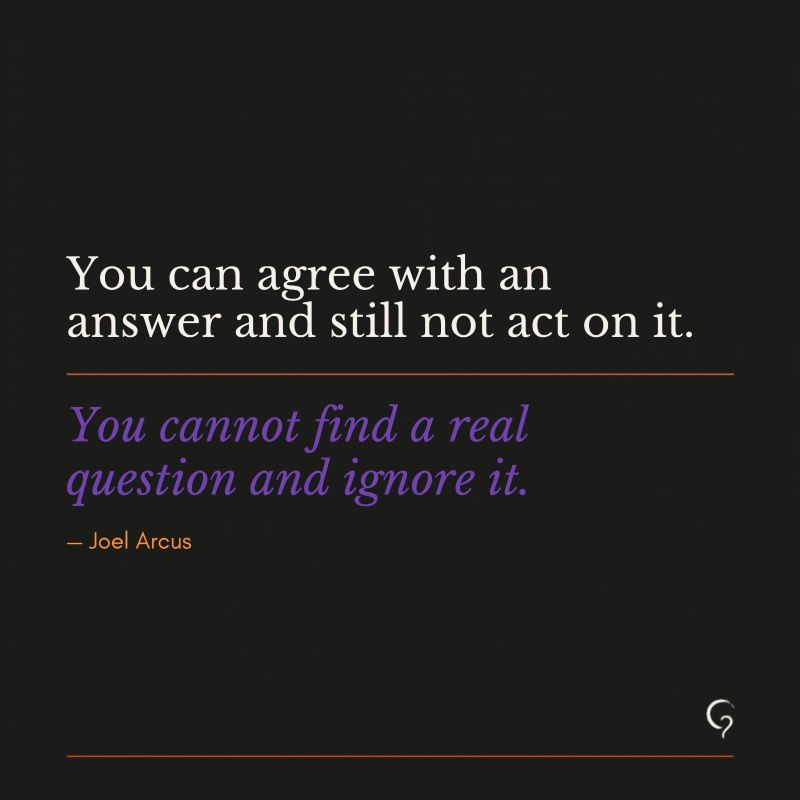
I see this distinction constantly in my work. Someone will read a sentence, nod, tell me it makes complete sense - and then carry on exactly as before. Agreement costs nothing. It doesn't require you to change anything about how you're living.
Read →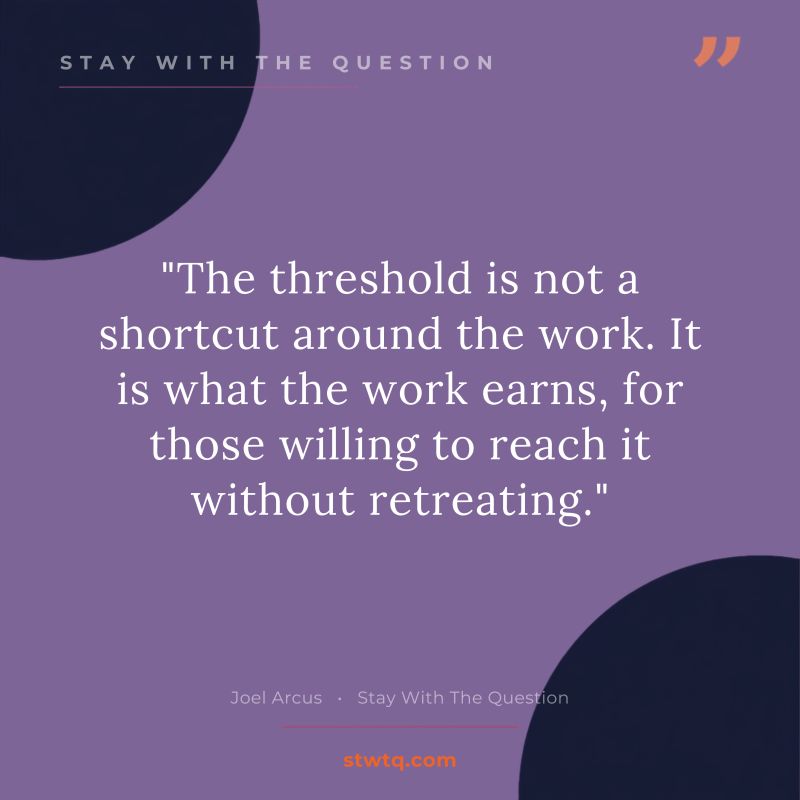
The threshold is the point where effortful thinking runs out and something deeper becomes available. But it is not a trick for skipping the hard part. It only opens because the hard part was done first, genuinely, all the way to the edge of what you know.
Read →
How do I get people to leave a coaching session with something they can keep working with on their own, rather than just the answer they walked out with?
Read →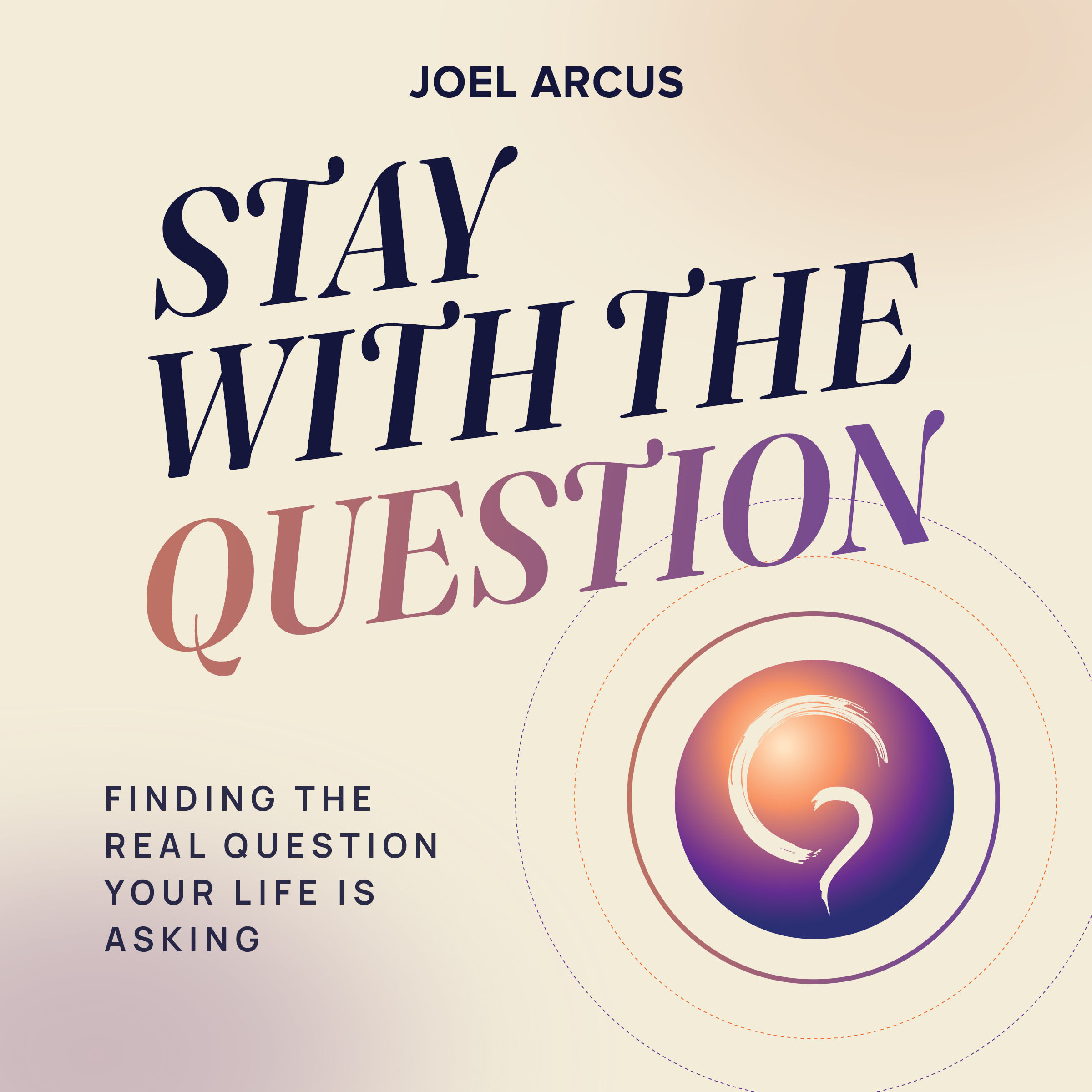
The right question, phrased well enough that someone would finally see clearly.
Read →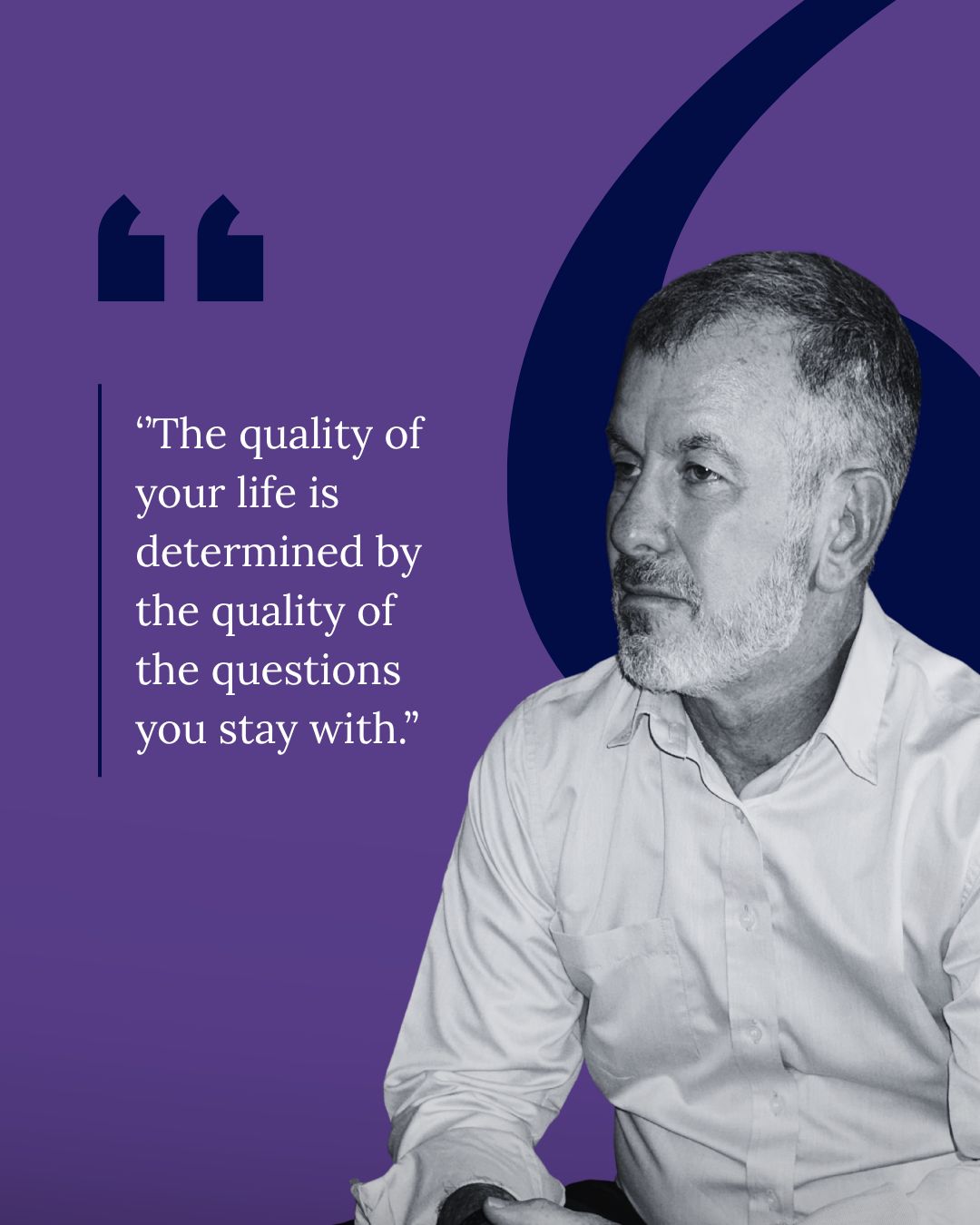
This isn't a call to keep more questions open for the sake of it. It's a call to notice which one is already sitting with you and give it more room than you're used to.
Read →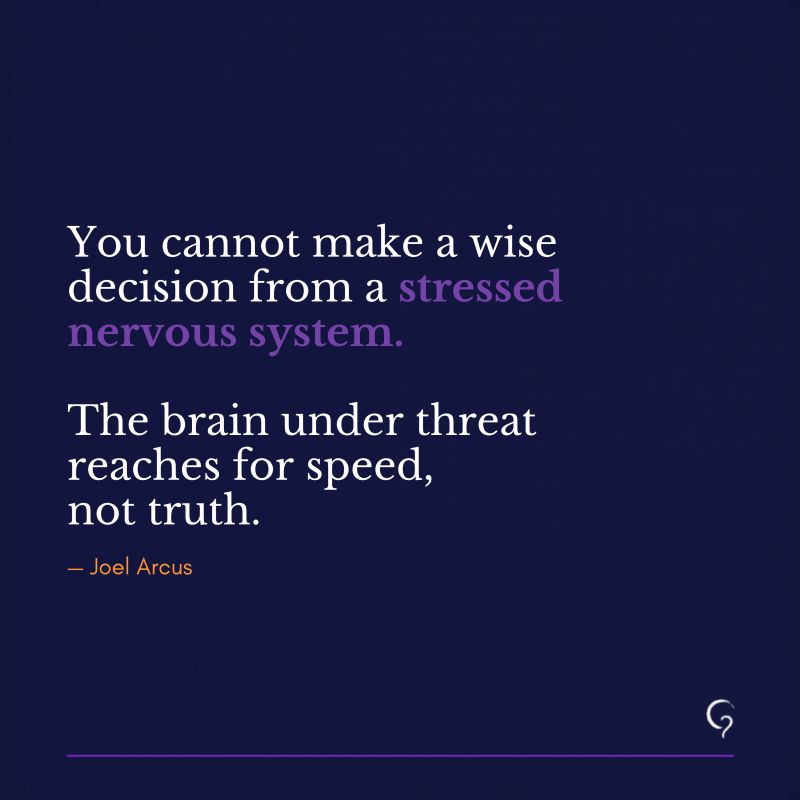
When the brain detects threat, it doesn't go looking for the best answer. It goes looking for the fastest one. That's not a flaw rather it's a survival mechanism. But it means that the quality of your decisions depends less on your intelligence and more on your nervous system.
Read →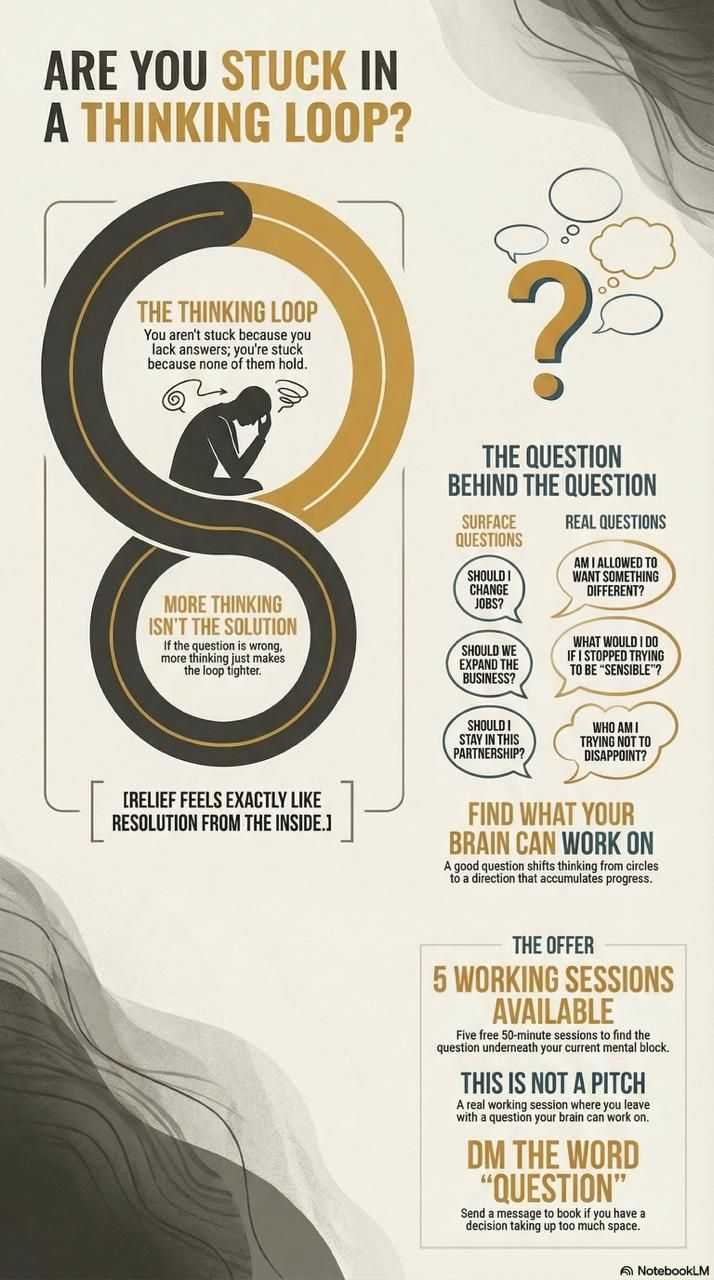
I hold multiple questions at the same time. Not to answer them all at once. To watch how they start playing out.
Read →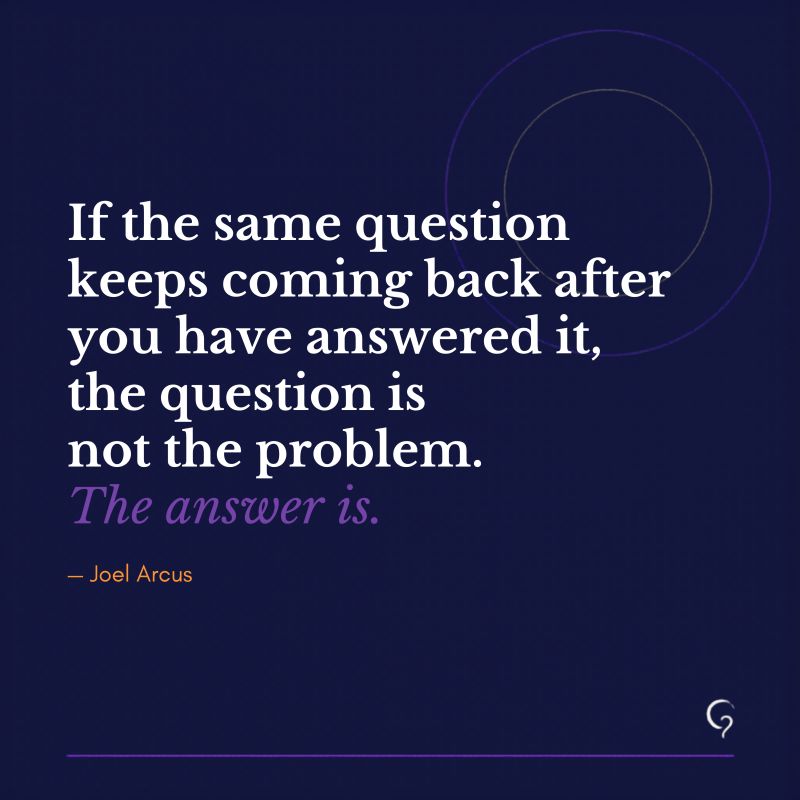
Most of us treat that as a failure of thinking. We go looking for a better answer, more clarity, more information. We assume that if the question is still there, we just haven't solved it hard enough yet.
Read →Giving up closes the question. Surrender keeps it open. The two feel almost identical in the body — here is how to tell them apart.
Read →The analysis is done, the options are clear, and the answer still will not land. What is missing is not more information — it is a better question.
Read →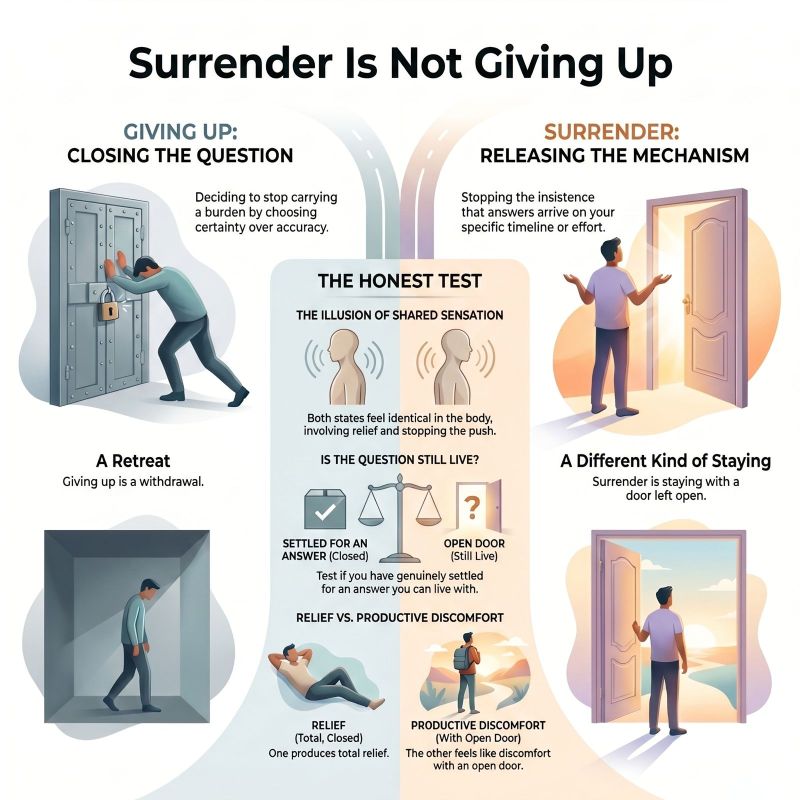
There is a distinction I want to draw carefully, because the two things look the same from the outside and feel very different from the inside.
Read →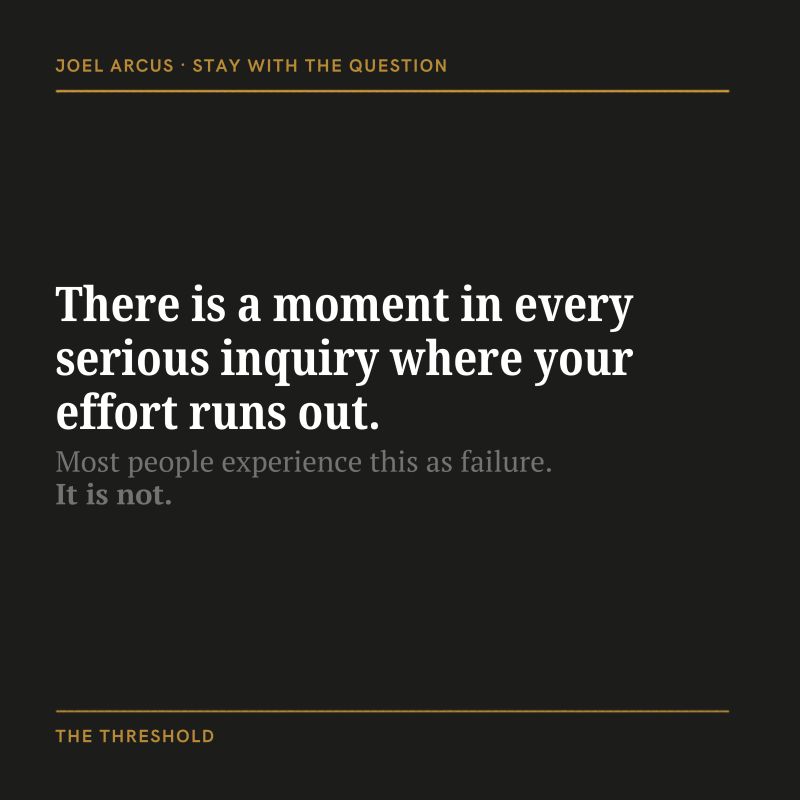
You have done the thinking. You have worked the question from every angle you can reach. You have had the conversations, read the material, sat with it alone at night. And you arrive at a point where the conscious search has nothing more to offer. It has reached its own edge.
Read →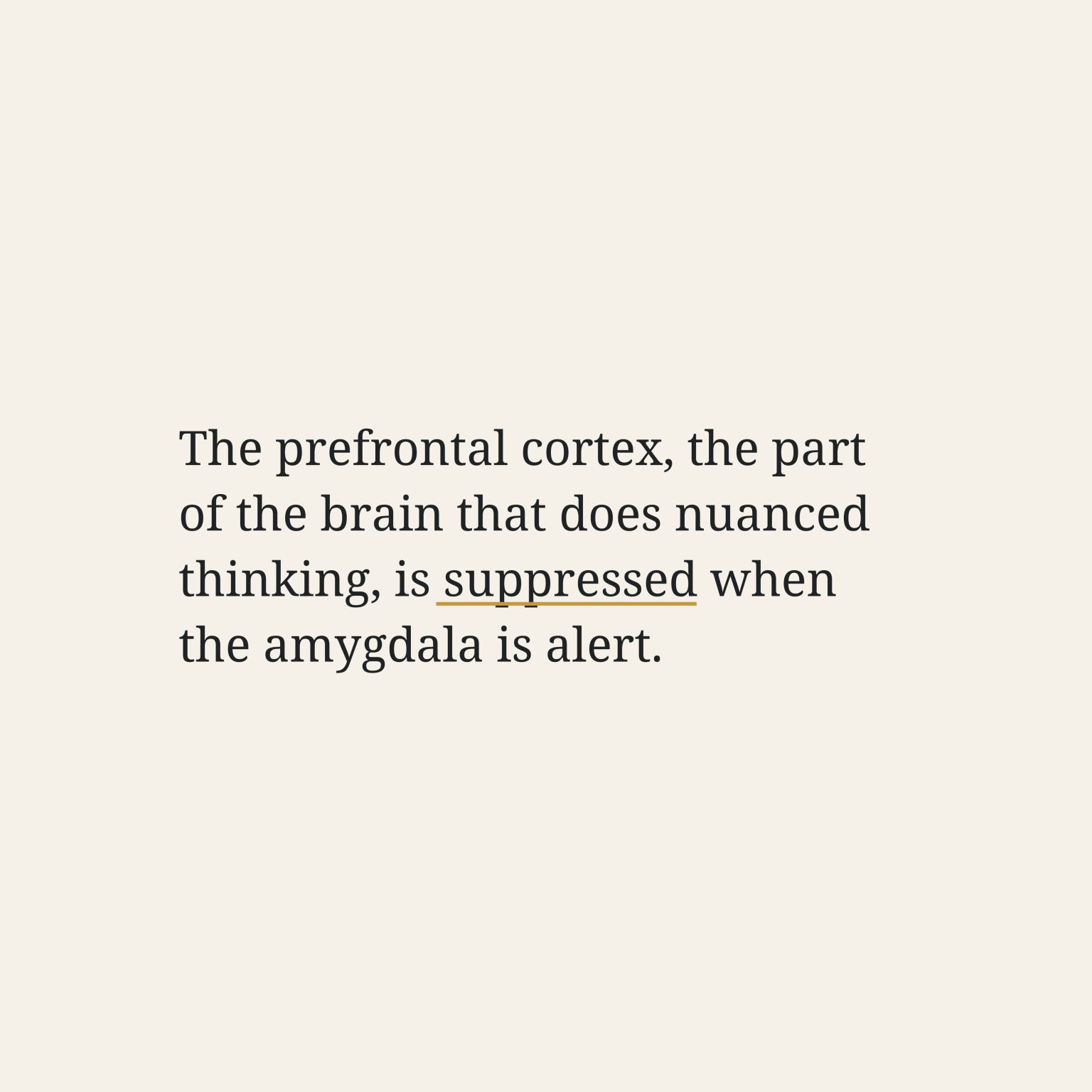
There is a principle I have come to treat as non-negotiable, in coaching and in leadership. Regulate before you resolve.
Read →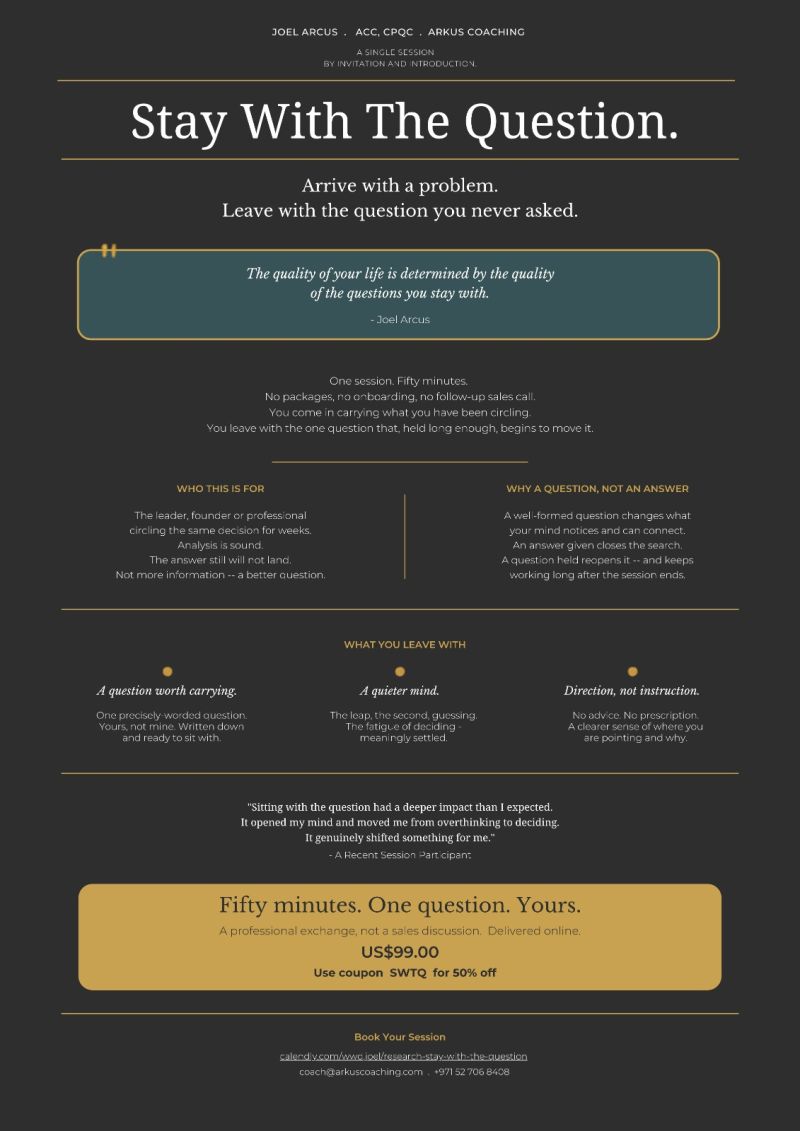
The problem is not that they lack information. The analysis is done. The options are clear. And the answer still will not land.
Read →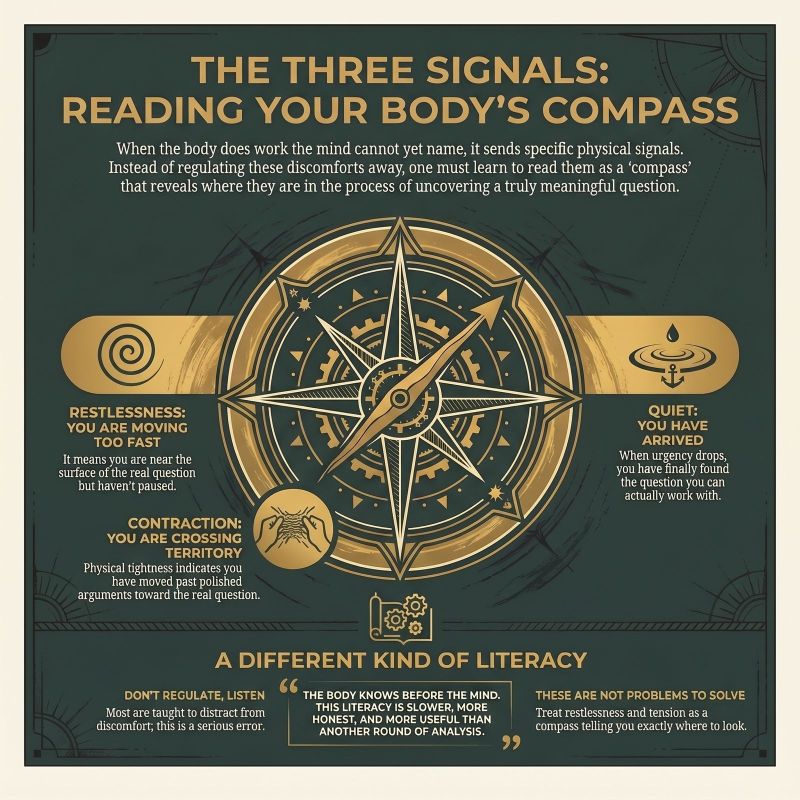
After hundreds of coaching conversations, I have come to trust three signals. Not as symptoms to manage, but as signatures that tell you where you are in the work of a question.
Read →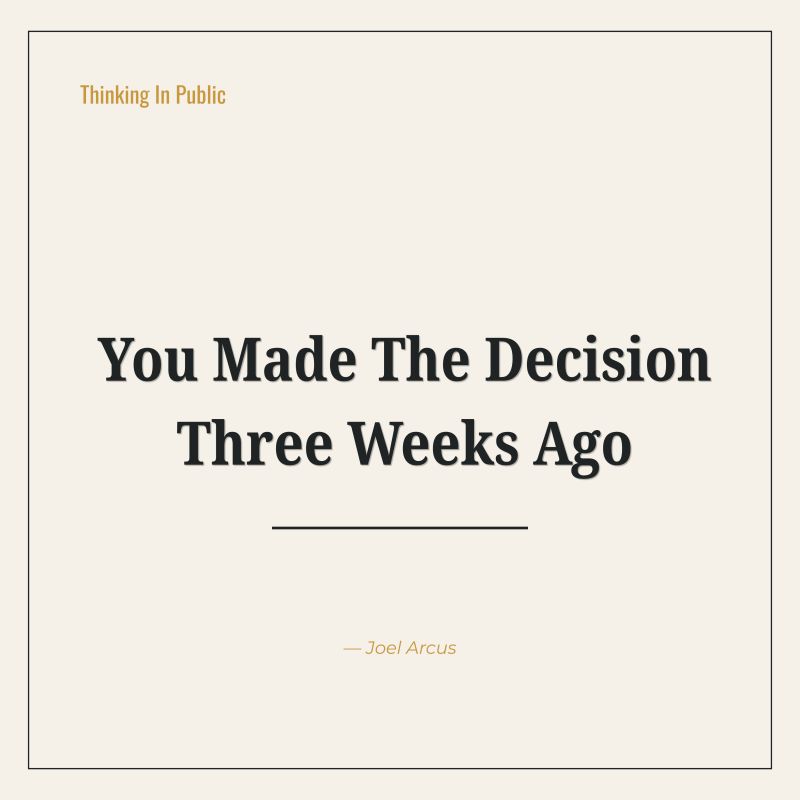
There is a study that coaches rarely mention. Damasio's Iowa Gambling Task. Participants chose cards from four decks, two safe and two risky. Skin conductance readings showed physiological stress responses to the risky decks by around card ten. The participants could not consciously articulate which decks were risky until around card eighty.
Read →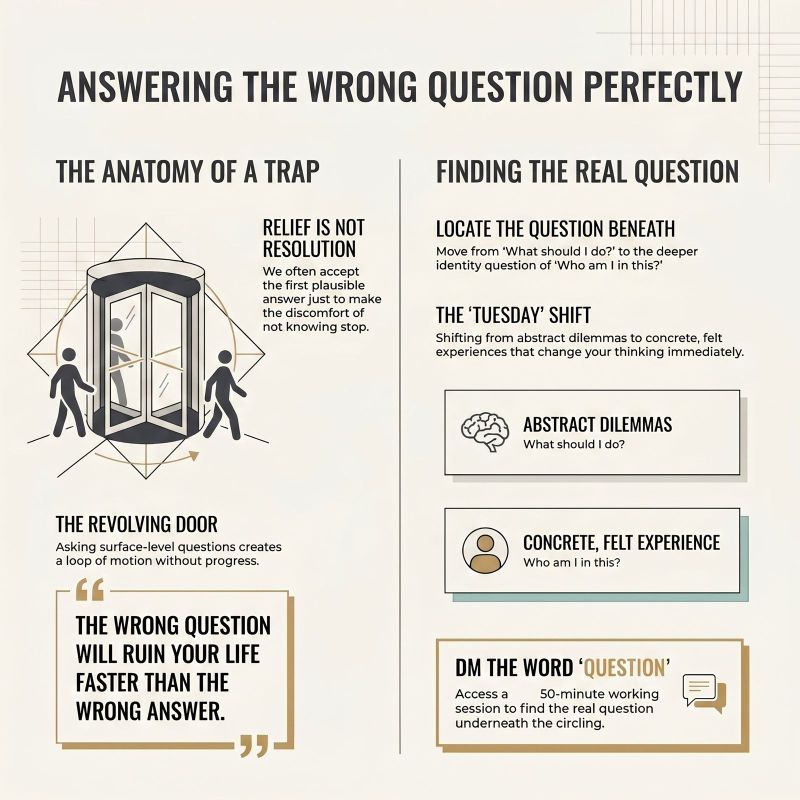
The question you are sitting with might be the wrong one. Not because you haven't thought hard enough. Because you are thinking perfectly around the wrong centre.
Read →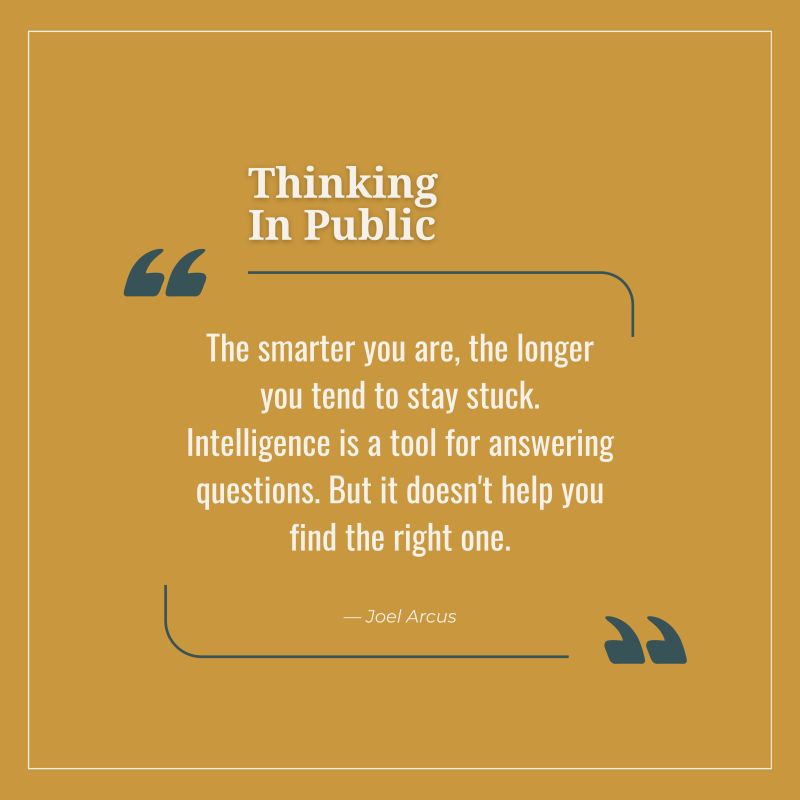
Intelligence is a tool for answering questions. And most intelligent people are exceptionally good at it.
Read →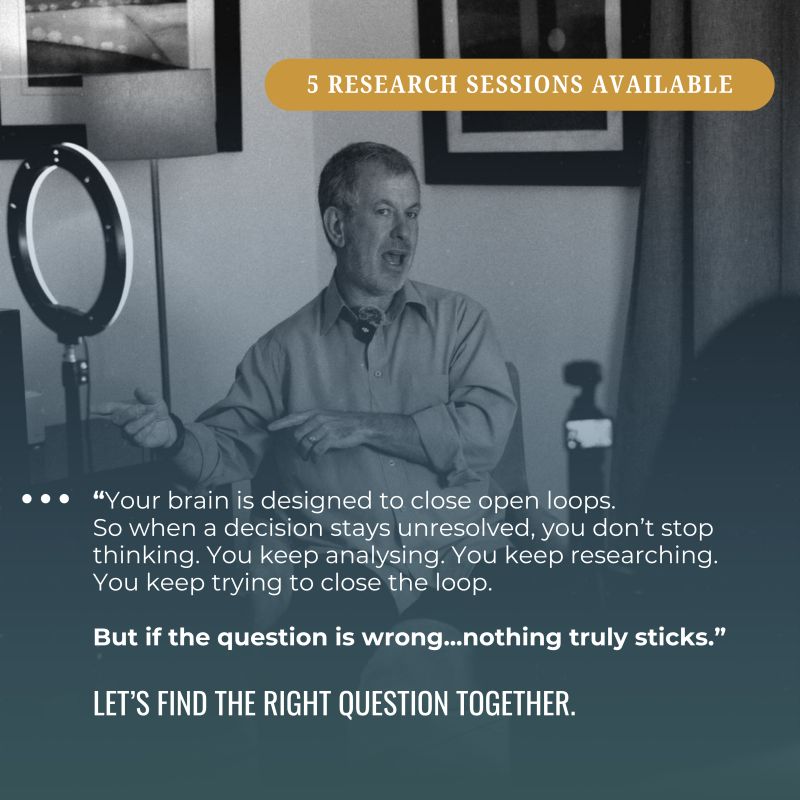
Over the next few weeks, I’m looking for 5 people who are stuck on something important.
Read →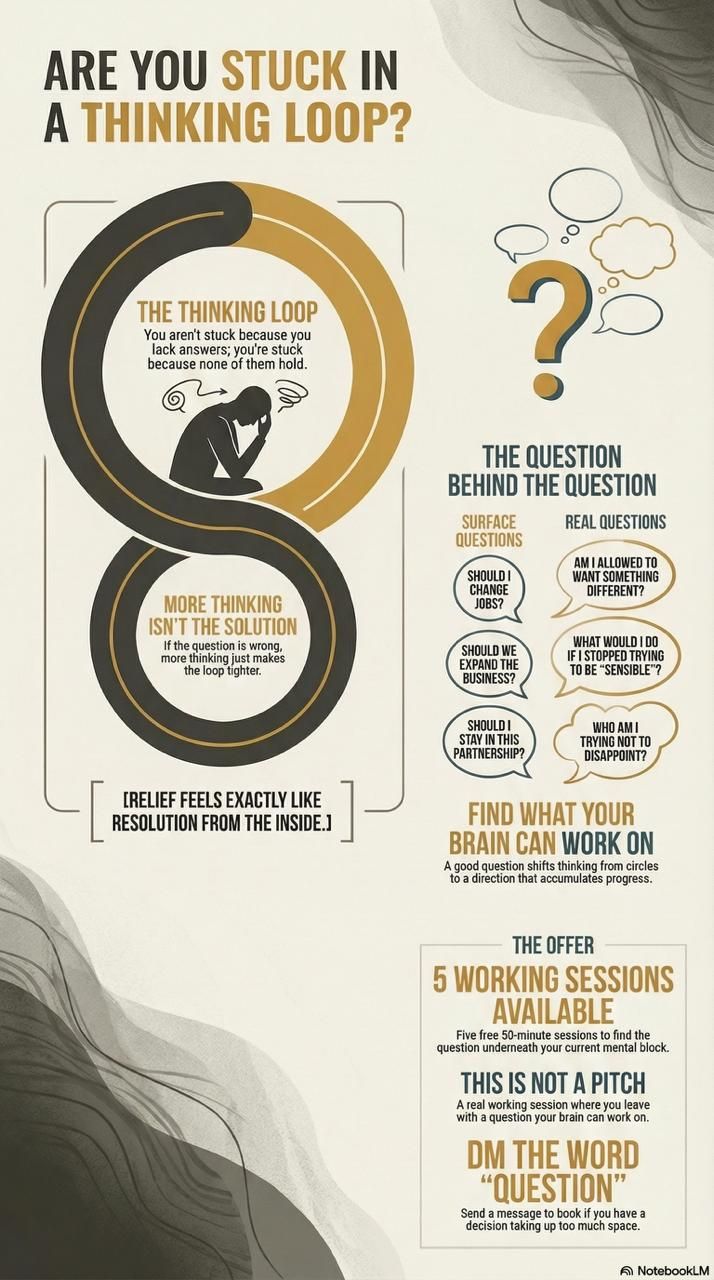
When that question becomes clear, is when the real work starts. Answers don't suddenly appear, but the thinking finally starts moving somewhere useful instead of getting stuck in that thinking loop.
Read →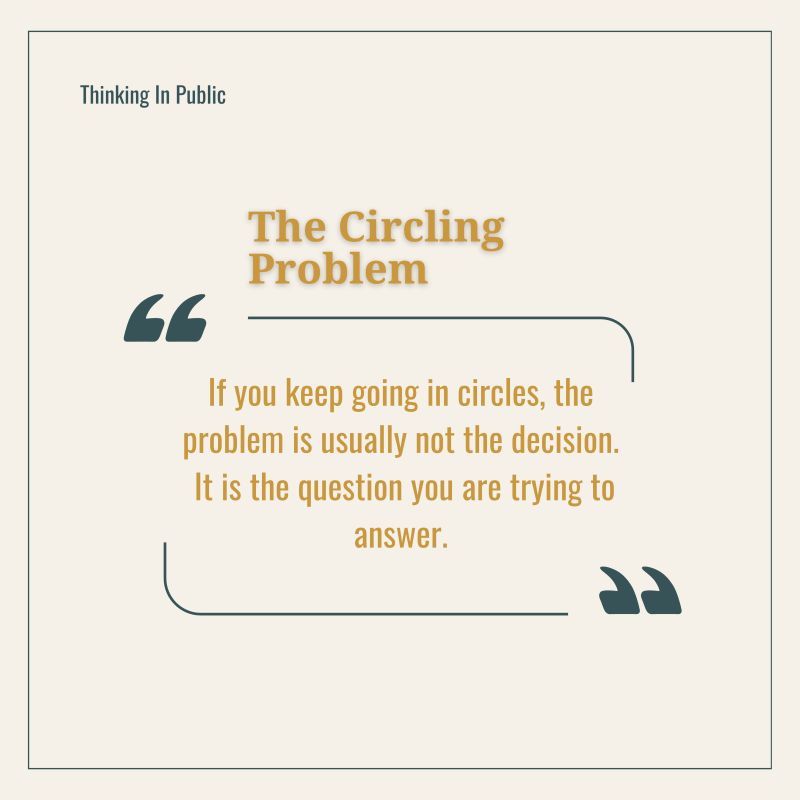
People are generally not stuck because they don’t have answers. What is much more common is that they are stuck because they have too many answers, none of which quite lead to a resolution.
Read →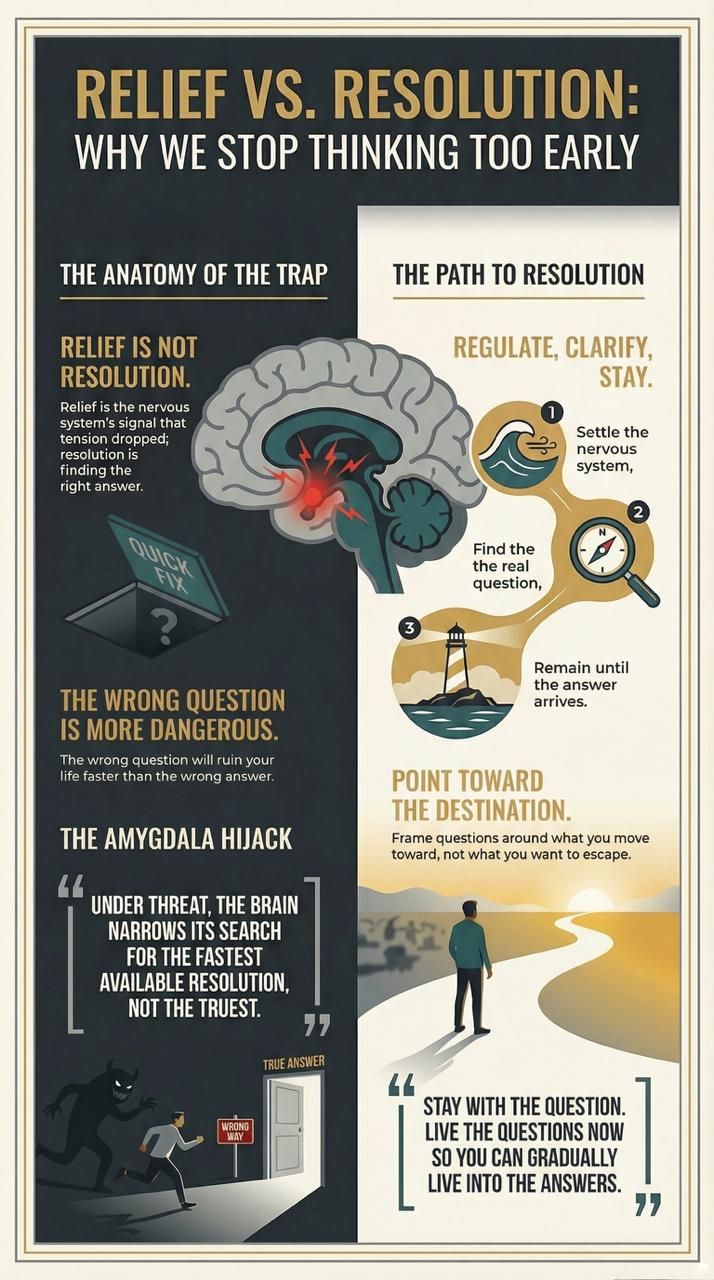
The decisions that bring immediate relief are not always the decisions that lead to good outcomes. And the decisions that lead to good outcomes often do not bring immediate relief.
Read →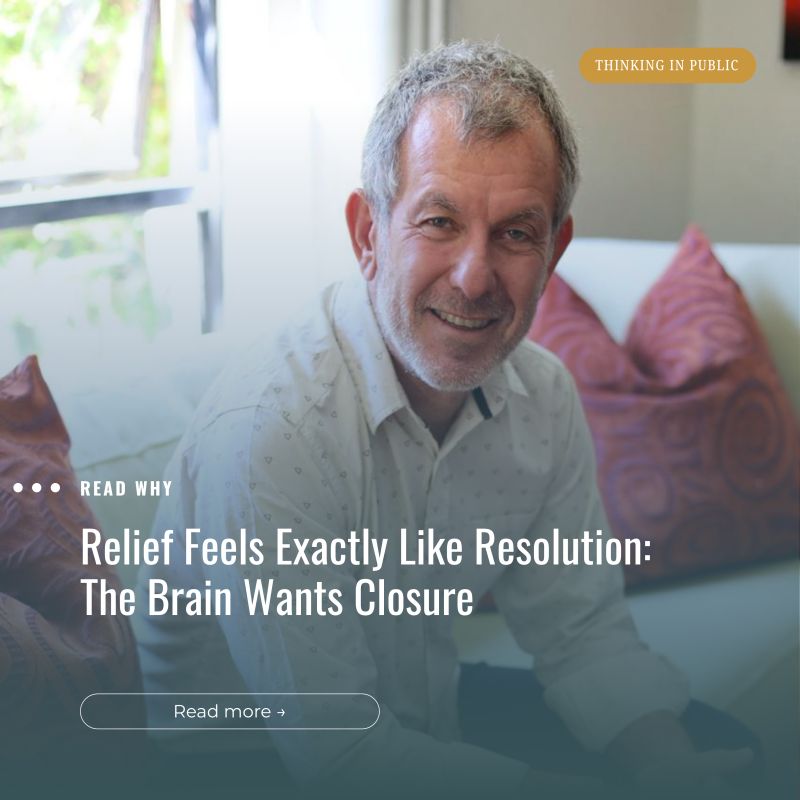
The mind does not like open questions. An unanswered question creates tension, and the longer it stays open, the more uncomfortable it becomes.
Read →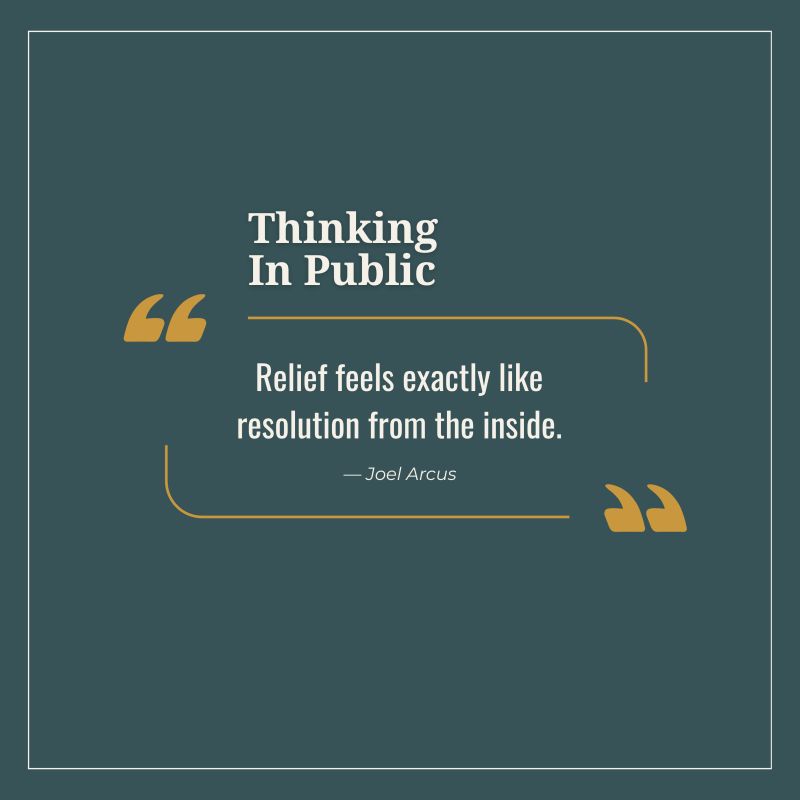
So when you make a decision and that uncomfortable feeling goes away, your brain interprets that as: “Good decision. Problem solved.”
Read →
Why people stay too long. Why people leave too early. Why intelligent people make bad decisions under pressure.
Read →On the year my father died, the losses I have been carrying without processing, and what I am only now learning about the difference between carrying on and grief.
Read →